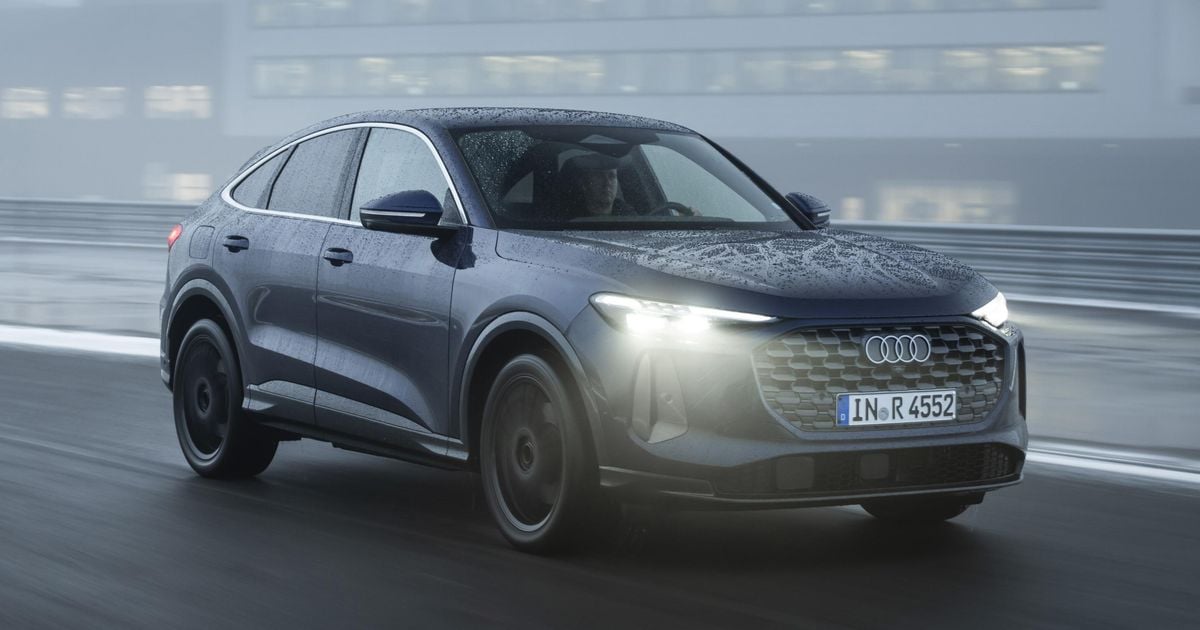
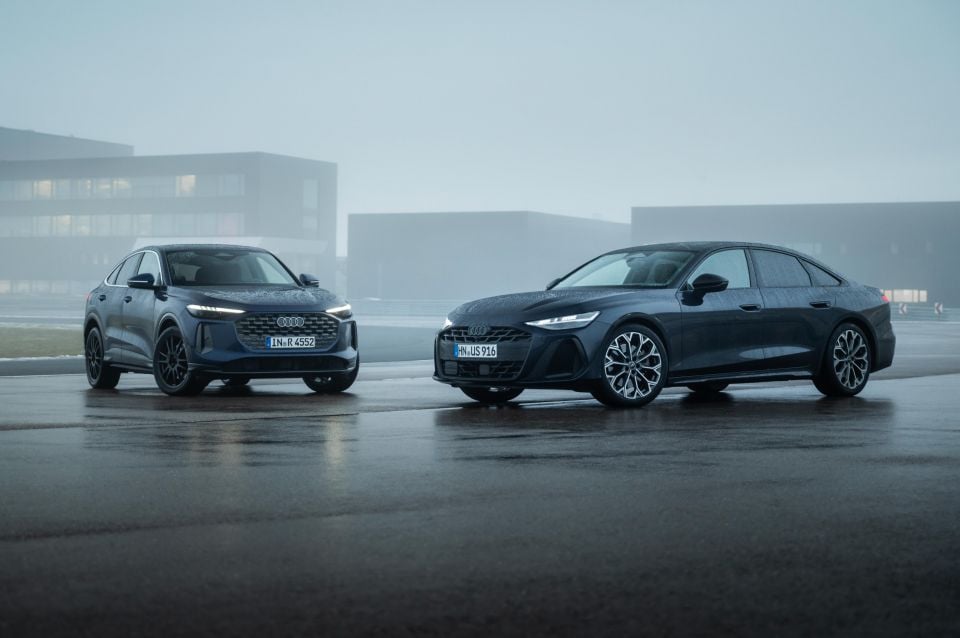
Audi has launched a brand new V6 turbo-dieselengine within the newest Q5 SUV in addition to the A6 sedan, full with the model’s newest ‘MHEV plus’ mild-hybrid system and an electrical turbocharger.
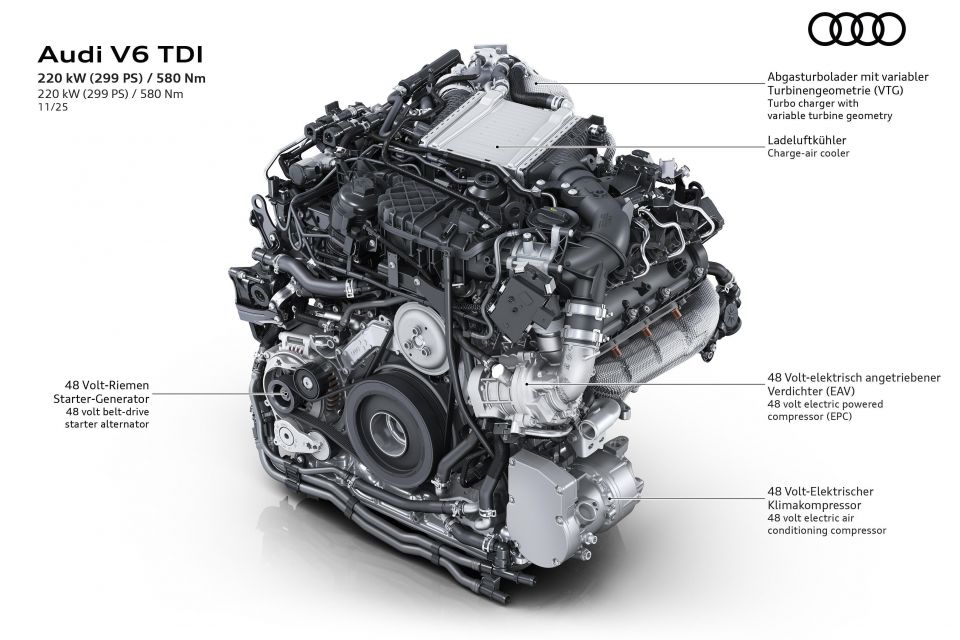
Out there to order now in choose markets all through Europe, the brand new V6 TDI engine is a 3.0-litre unit producing 220kW of energy and 580Nm of torque – by comparability, the previous-generation 3.0 V6 TDI made as much as 210kW/600Nm.
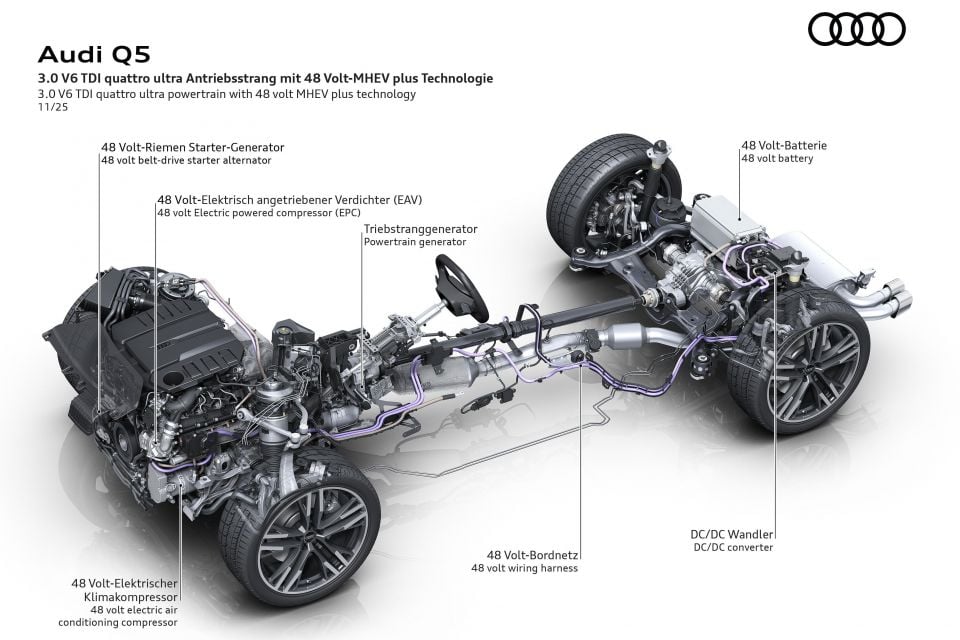
Nevertheless, Audi’s MHEV plus system provides a generator, belt alternator starter and a lithium iron phosphate (LFP) battery into the combination, which might add as much as 18kW/230Nm when “beginning off and overtaking”. Additional, the system can feed as much as 25kW of power again into the hybrid battery.
CarExpert can prevent hundreds on a brand new automobile. Click on right here to get a fantastic deal.
Additional to the brand new MHEV tech, the V6 TDI ‘EA897 evo4’ additionally will get a brand new electrically powered compressor, which in comparison with earlier implementations of the know-how claims to be “considerably” extra highly effective and operable throughout “the complete velocity vary”.
“When the load demand from the accelerator pedal is excessive, and the power provide on the turbine facet is low, the consumption air is directed to the electrically powered compressor,” Audi explains in its media launch.
“There, this air – already compressed by the exhaust-driven turbocharger – is additional compressed earlier than getting into the combustion chamber.”
Audi claims this all contributes to extra linear and quicker response, significantly within the mid-range, in addition to “extra direct pedal really feel, elevated effectivity, and improved long-term sturdiness”.
Max increase of three.6 bar is claimed to construct up practically a second quicker than earlier than, with the compressor wheel spinning as much as 90,000 revolutions per minute inside 250 milliseconds, a rise of 40 per cent. The corporate says “it intently resembles the texture of an electrical drive with related energy”.
In Europe, the brand new V6 TDI motor will likely be suitable with sustainable HVO gasoline (hydrotreated vegetable oil). This gasoline allows a “70 to 95 per cent discount in CO2 emissions in comparison with petroleum-derived gasoline”.
HVO is made utilizing residual and waste supplies, equivalent to used cooking oil or agricultural by-products. Oils are transformed into saturated aliphatic hydrocarbons utilizing hydrogen, which modifies the properties of the vegetable oils to make them appropriate to be used in diesel engines.
Additional, these may be blended with standard diesel to interchange fossil elements, or used as a 100 per cent pure gasoline various. Audi says new autos leaving its two German vegetation in Ingolstadt and Neckarsulm are delivered with HVO gasoline already within the tank.
In line with German specs, the Audi Q5 TDI quattro 220kW accelerates from 0-100km/h in simply 5.0 seconds, on its solution to a prime velocity of 250km/h. Value-wise, it’s €5000 ($8844) greater than the four-cylinder TFSI quattro 200kW.
“We now have a full vary of drivetrains accessible together with petrol, diesel, and plug-in hybrid for the Australian market,” stated an Audi Australia spokesperson when requested whether or not the brand new engine will likely be launched right here.
“In fact, we consider all engine choices for the Australian market. Nevertheless, our major focus stays on increasing our vary with autos that align with NVES (New Automobile Effectivity Customary) necessities whereas nonetheless delivering a broad vary of spec, variants, and efficiency for Australian clients.”
The brand new A6 vary has but to be locked in for Australia, although the Q5 is already on sale and features a four-cylinder turbo-diesel engine.
The model’s native executives have thrown their assist behind diesel engines, regardless of different producers transferring away from diesel engines following the VW Group’s Dieselgate emissions dishonest scandal.
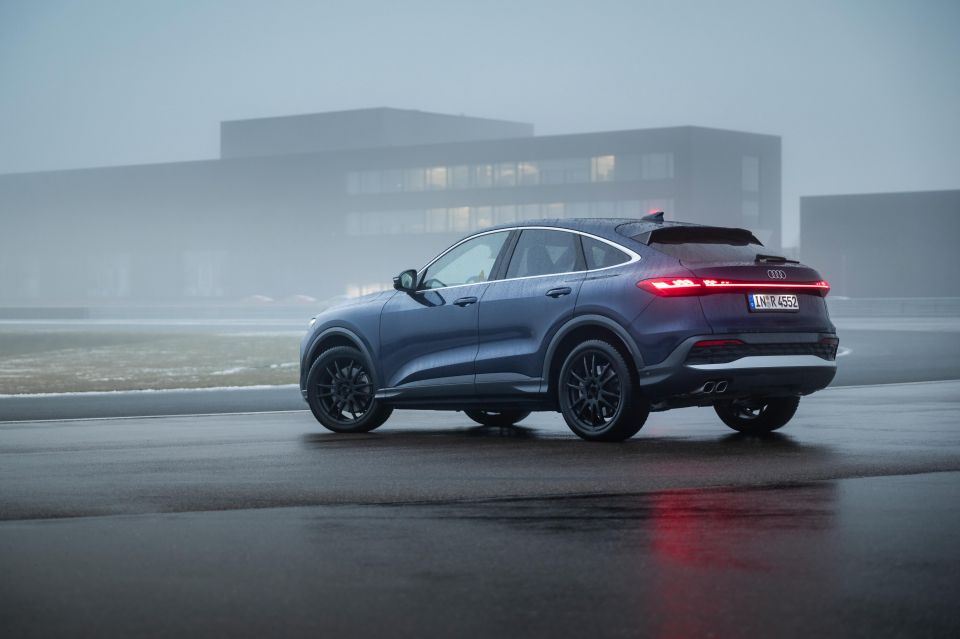
“I don’t assume individuals are fearful of diesel [in the Q5’s] phase… trying again beforehand, simply the four-cylinder diesel accounted for 25 per cent [of sales]. That’s a extremely vital quantity of of quantity for a big-volume automobile, so we couldn’t say no to a diesel – we’d have doubtlessly been dropping clients,” product supervisor for Audi Australia Peter Strudwicke instructed CarExpert on the launch of the brand new Q5 in September.
“The place we do see alternative is with MHEV plus within the new automobile, having the diesel powertrain that’s already tremendous environment friendly… permits seamless mobility between electrification at low speeds and diesel effectivity at larger speeds – that actually highlights how far the diesel idea has are available in our automobiles,” Matthew Dale, head of product for Audi Australia, added throughout the identical interview.
Key Q5 rivals, the Mercedes-Benz GLC and Volvo XC60, have moved away from diesel altogether in Australia, whereas the BMW X3 solely provides a six-cylinder diesel domestically in its newest technology.
MORE: Audi: ‘We’d be dropping clients’ with out diesel in Australia
MORE: Discover the Audi A6 showroom
MORE: Discover the Audi Q5 showroom