Individuals have been singing “O Holy Night time” as a Christmas customary for properly over a century, and but most of us have solely ever heard the primary verse. In reality, it is possible that most individuals aren’t even conscious that there are two verses past the ultimate “Oh, night time divine,” and honest to guess that the majority do not know the third verse incorporates a blatantly anti-slavery message.
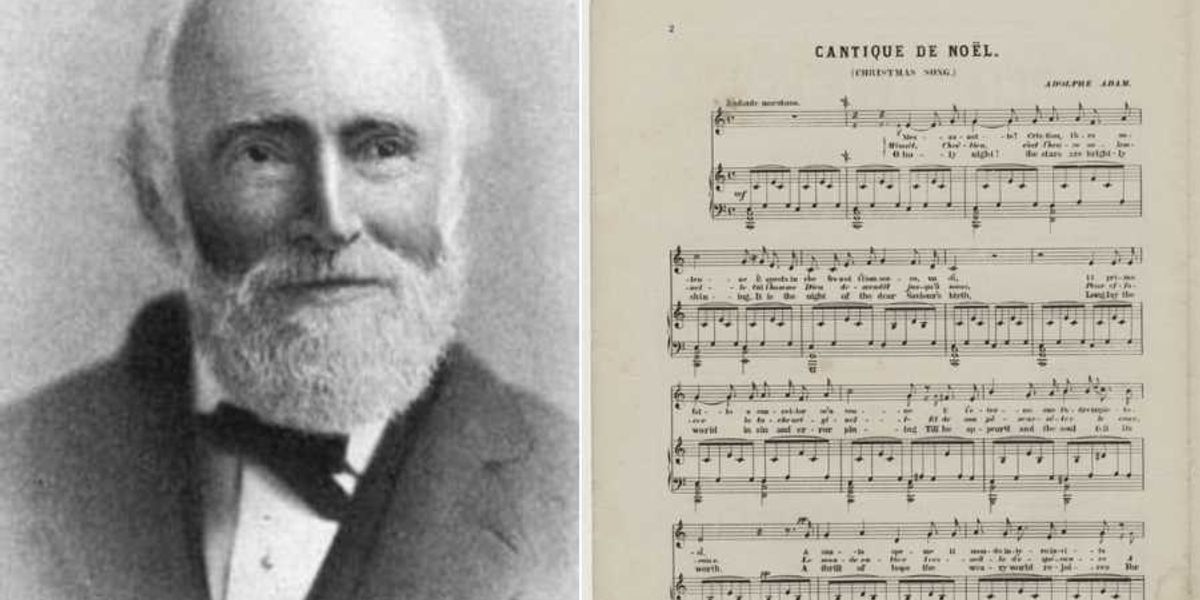
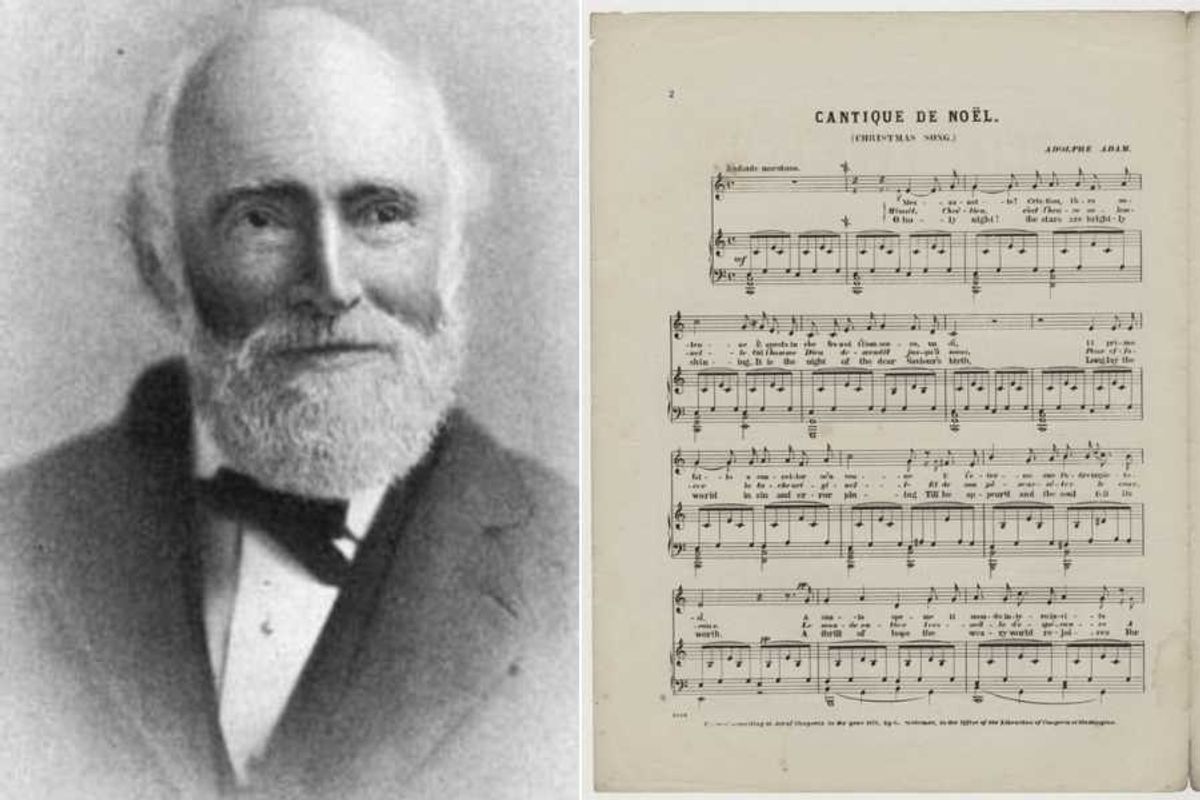
“O Holy Night time” originated as a poem written by French leftist wine service provider, Placide Cappeau, earlier than it was set to music by secular composer Adolphe Adam in both 1843 or 1847. The carol, often known as “Minuit Chrétien” (“Midnight, Christians) or “Cantique de Noël” (“Christmas Hymn”) in French, sings of Christ’s delivery and the go to of the three sensible males within the first two verses. Nonetheless, the third verse interprets immediately from French as such:
The Redeemer has overcome each impediment:
The Earth is free, and Heaven is open.
He sees a brother the place there was solely a slave,
Love unites those who iron had chained.
Who will inform Him of our gratitude,
It is for all of us that He’s born,
That He suffers and dies.
Nonetheless, American music critic John Sullivan Dwight first translated the carol into English in 1855, and he selected a extra poetic, emotional wording for the whole tune. His model of the third verse goes like this
Actually He taught us to like each other;
His regulation is love and His gospel is peace.
Chains shall He break, for the slave is our brother,
and in His identify all oppression shall stop.
Candy hymns of pleasure in grateful refrain elevate we,
let all inside us reward His holy identify.
@realityshowreject Aaaand it begins! #christmas #musichistory #funfacts #musicfacts
“Chains shall He break, for the slave is our brother and in His identify all oppression shall stop” was fairly the assertion to make within the mid-Nineteenth century United States, the place civil unrest over slavery would quickly attain its peak. It is no marvel that Dwight, a Unitarian minister and staunch abolitionist, was eager to deliver the tune to the U.S. and share it in his journal, Dwight’s Journal of Music. In response to America journal, Dwight had written publicly in regards to the “three or 4 thousands and thousands of our human brethren in slavery” calling it “ethical suicide” for the USA. Thus, his English model of the carol turned a vacation favourite, notably amongst Individuals within the North within the Civil Conflict years.
Nonetheless, again house in France, the tune was having a second with the Catholic church. Cappeau, the poet who wrote the lyrics, ended up renouncing Christianity and becoming a member of a Socialist motion. The composer, Adam, was of Jewish descent, and that mixture wasn’t precisely considered as preferrred for a tune in regards to the origins of the Christian religion. Moreover, official publications of Catholic music criticized the tune’s “militant tone and doubtful theology.” It ended up being banned in church buildings for years, however that did not appear to impression its recognition.
The concept of “O Holy Night time” being in any method “militant” in tone could seem complicated in the event you’re solely contemplating the English model. However once more, Dwight took liberties together with his interpretation in ways in which do not totally mirror the direct translation from French. Right here is how the acquainted first verse immediately interprets from French compares to the way in which Dwight rewrote the lyrics in English (in parentheses):
Midnight, Christians, it is the solemn hour, (O holy night time, the celebs are brightly shining;)
When God-man descended to us (It’s the night time of the expensive Savior’s delivery.)
To erase the stain of authentic sin (Lengthy lay the world in sin and error pining,)
from Music
And to finish the wrath of His Father. (Til he appeared and the soul felt its value.)
Your entire world thrills with hope (A thrill of hope, the weary world rejoices)
On this night time that offers it a Savior. (For yonder breaks a brand new and wonderful morn!)
Individuals kneel down, wait on your deliverance. (Fall in your knees! O hear the angel voices!)
Christmas, Christmas, right here is the Redeemer, (O night time divine! O night time when Christ was born!)
Christmas, Christmas, right here is the Redeemer! (O night time divine! O night time, O night time divine!)
Maybe it is not egregiously militant, however the direct translation does have a bit extra of a “Sinners within the Fingers of an Indignant God” really feel to it than the softer, extra poetic American model.
Why will we not hear the second and third verses of the tune, although? A part of it may be the anti-slavery messaging not being extensively accepted within the Southern U.S. It additionally may need to do with the tune’s size. This model of the carol that features all three verses is seven minutes lengthy:
– YouTube youtu.be
Whether or not we sing the entire tune or not, “O Holy Night time” stays a extensively beloved basic, even topping ClassicFM’s checklist of most liked Christmas carols in 2023. It’s fascinating to know that there is a lot extra to it than the model we most frequently hear, although.